linkedin facebook twitter tiktok
  • Home
  • About
  • Career Zone
  • Contact

KiddyKare

Call today on 01628 675828
  • Nursery Staff
    • Temporary Childcare Jobs
    • Permanent Childcare Jobs
    • Managerial Jobs
  • Vacancies
  • Nurseries
    • Temporary Nursery Staff
    • Permanent Nursery Staff
  • School Staff
    • Temporary Teaching Staff
    • Permanent Teaching Staff
  • Nanny Jobs
    • Nanny FAQS
    • Parents

The Value of Flexible Practitioners During Summer Trips & Events

The Value of Flexible Practitioners During Summer Trips & Events

June 18, 2026
happy children playing tug of war

Why Summer Is One of the Busiest Times for Nurseries

June marks the start of a lively season in Early Years: sports days, school visits, nature walks, end‑of‑term celebrations and outdoor learning galore. While these events are exciting for children, they also bring logistical challenges for nurseries – especially when it comes to staffing and ratios.

That’s where flexible practitioners make all the difference.

How Flexible Practitioners Support Summer Trips

Trips and events require extra hands, confident supervision and practitioners who can adapt quickly. Flexible staff step in seamlessly to help nurseries deliver safe, memorable experiences for children.

Here are some real‑world examples of the support they provide:

🚌 1. Extra Supervision on Outings

Whether it’s a walk to the local park or a coach trip to a farm, ratios matter. Flexible practitioners help nurseries maintain safe supervision levels, giving permanent staff the confidence to run trips without stretching their team.

🎒 2. Supporting Children with Additional Needs

Some children benefit from 1:1 or small‑group support during busy events. Temporary practitioners can provide focused attention, ensuring every child feels included and secure.

🌞 3. Helping With Outdoor Set‑Ups

From preparing sun hats and water bottles to organising activity stations, flexible staff help create smooth, well‑managed outdoor days.

📸 4. Bringing Calm, Confidence and Enthusiasm

Trips can be unpredictable. Skilled practitioners bring a steady presence, helping children feel safe and excited while supporting the nursery team with positivity and professionalism.

Why Nurseries Rely on Agency Practitioners in June

June is a month where staffing needs naturally increase. Nurseries often turn to agencies because:

  • Permanent teams are stretched with events, transitions and planning
  • Ratios must remain safe during trips and outdoor learning
  • Staff holidays begin to overlap
  • Additional support is needed for SEND or younger age groups
  • Last‑minute cover is essential when plans change

Flexible practitioners ensure nurseries never have to compromise on safety, quality or children’s experiences.

Teamwork and Adaptability: The Heart of What Practitioners Do

What makes flexible practitioners truly exceptional is their ability to step into a new environment and instantly become part of the team. Their adaptability shines during summer events, where no two days look the same.

They bring:

  • Quick thinking
  • Strong communication
  • A calm approach to busy environments
  • A willingness to help wherever needed
  • Genuine enthusiasm for supporting children’s experiences

This teamwork is what allows nurseries to run ambitious, enriching events with confidence.

Celebrating the Practitioners Who Make Summer Special

Behind every successful trip or event is a team of dedicated practitioners including the flexible staff who step in to make it all possible. Their support ensures children enjoy safe, joyful, memorable experiences throughout the summer term.

For nurseries, they’re not just extra hands. They’re an essential part of delivering high‑quality care during the busiest time of the year.

Make sure your nursery remain fully staffed during the busy Summer months.

Contact KiddyKare to find out more about our flexible staffing solutions. Speak to a member of our friendly team on 01628 675828.

Posted in Nurseries

Why World Environment Day Matters in Early Years

Why World Environment Day Matters in Early Years

June 5, 2026
World Environment Day Graphic

World Environment Day is a brilliant opportunity for nurseries to celebrate nature, spark curiosity and help children understand how their small actions can make a big difference. In Early Years, sustainability isn’t about grand gestures – it’s about modelling mindful habits, exploring the outdoors and giving children hands‑on experiences that nurture respect for the world around them.

For practitioners, it’s also a chance to bring creativity, environmental awareness and child‑led learning together in a way that feels natural and joyful.

Low‑Prep, Sustainable Activities for Busy Nursery Days

You don’t need elaborate resources to celebrate World Environment Day. These simple, low‑prep ideas work beautifully in any setting – perfect for flexible practitioners stepping into new environments.

🌱 1. Nature Treasure Hunt

A basket, a clipboard or even a simple “find something green” prompt is enough to get children exploring. This activity supports:

  • Observation skills
  • Language development
  • Respect for living things

♻️ 2. Recycling Sorting Station

Use clean packaging from the nursery kitchen to create a quick sorting activity. Children learn:

  • What materials can be recycled
  • How to categorise objects
  • Early maths skills through grouping

🍃 3. Leaf Rubbing or Nature Art

A few leaves, crayons and paper can turn into a beautiful art session. This encourages:

  • Fine motor development
  • Creativity
  • Appreciation for natural textures and patterns

🌼 4. Seed Planting in Recycled Pots

Yoghurt pots, egg cartons or cardboard tubes make perfect planters. Children learn:

  • How plants grow
  • Responsibility through watering
  • Patience and care

Teaching Children About Nature and Recycling

Early Years is the perfect stage to introduce environmental awareness. Children are naturally curious and practitioners can build on this by:

  • Talking about where rubbish goes
  • Showing how to reuse materials creatively
  • Encouraging children to care for plants and living things
  • Using books and songs about nature and animals
  • Modelling gentle handling of insects and plants

These small moments build lifelong habits.

How Practitioners Can Model Eco‑Friendly Habits

Children learn best by watching the adults around them. Practitioners can make a big impact by modelling simple, sustainable behaviours such as:

  • Turning off lights when leaving a room
  • Using reusable water bottles
  • Encouraging children to pour only what they need
  • Reusing scrap paper for mark‑making
  • Choosing natural materials over plastic when possible
  • Leading by example during tidy‑up time

Flexible practitioners, in particular, bring fresh ideas into each setting they visit — often inspiring nurseries with new eco‑friendly approaches.

A Greener Future Starts With Small Steps

World Environment Day is a reminder that sustainability belongs in everyday practice, not just once a year. With simple activities and mindful habits, nurseries can create environments where children learn to love, respect and protect the world around them.

And with the support of skilled, adaptable practitioners, these ideas can flourish in every setting – no matter how busy the day.

To find out more about how our flexible practitioners bring creative ideas and a helping pair of hands to each setting, why not speak to a friendly member of our team. Call KiddyKare on 01628 675828.

Posted in Childcarers, Nurseries, Uncategorized

Outdoor Classroom Day: Why May Is the Month for Learning Outside

Outdoor Classroom Day: Why May Is the Month for Learning Outside

May 19, 2026
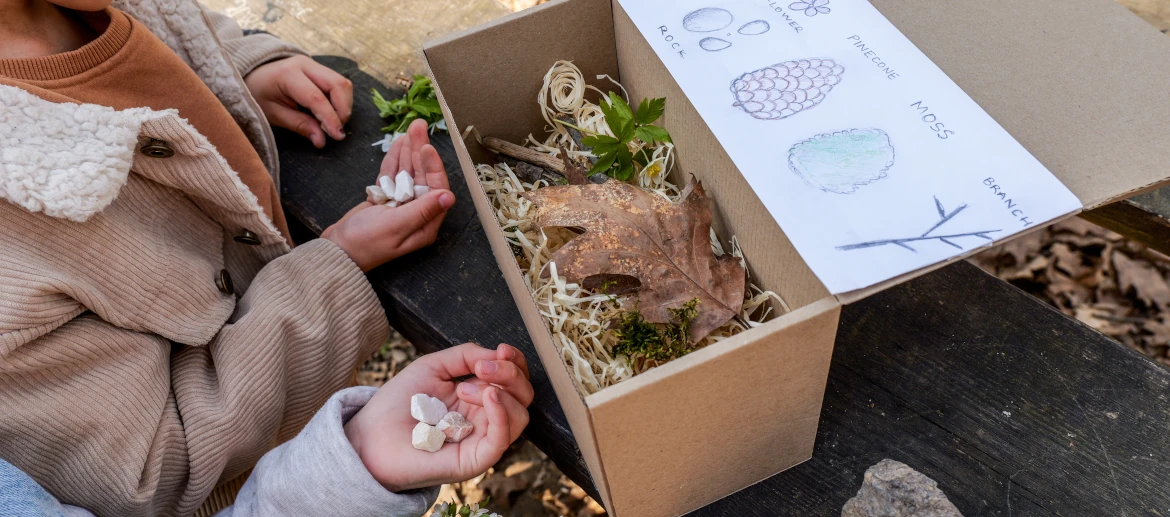
Young children exploring content of a nature box

As the days grow longer and spring settles in, May becomes the perfect month for nurseries to embrace outdoor learning. With Outdoor Classroom Day taking place on 21 May 2026, early years settings across the UK will be celebrating the power of outdoor play and at KiddyKare Staff Solutions, we know just how transformative this can be for children’s development.

Outdoor learning isn’t an add‑on. It’s a core part of the EYFS, supporting communication, physical development, emotional wellbeing and curiosity. For nurseries, it’s also a chance to create memorable experiences that build confidence and independence.

Why Outdoor Learning Matters

Outdoor environments offer something indoor spaces simply can’t replicate:

  • Freedom to explore without the constraints of walls
  • Natural opportunities for risk‑taking and problem‑solving
  • Sensory-rich experiences that support language development
  • Physical challenge that builds strength, balance, and coordination

Children learn best when they’re engaged, active, and connected to the world around them and the outdoors provides the perfect backdrop.

Outdoor Activity Ideas for May

Here are some simple, curriculum-linked ideas practitioners can lead:

  • Nature storytelling, outdoor role play, “I spy” vocabulary games.
  • Counting petals, measuring sticks, comparing leaf sizes, shape hunts.
  • Minibeast observations, weather charts, planting seeds and tracking growth.
  • Obstacle courses, balancing logs, water play, digging and transporting.

Risk-Benefit Assessments: A Key Part of Outdoor Learning

Outdoor play naturally involves manageable risk and that’s a good thing. Practitioners support children by:

  • Completing dynamic risk assessments
  • Modelling safe behaviour
  • Teaching children how to assess risk themselves
  • Ensuring ratios and supervision remain strong

How Flexible Staff Support Outdoor Provision

Nurseries often need additional hands during outdoor-heavy days, especially in spring and summer. Our team helps by:

  • Maintaining safe supervision levels
  • Leading small-group outdoor activities
  • Supporting transitions between indoor and outdoor spaces
  • Bringing fresh ideas and energy to outdoor learning

Outdoor Classroom Day is a brilliant reminder of the value of learning beyond the walls of the nursery. With the right support, nurseries can create outdoor experiences that spark imagination, build resilience and nurture a lifelong love of nature.

Speak to our team today to find out how our flexible practitioners can enhance your nursery setting. Call us on 01628 675828.

Posted in Nurseries, Uncategorized

National Children’s Gardening Week: Growing Together in Early Years

National Children’s Gardening Week: Growing Together in Early Years

May 19, 2026
Young child holding seedlings in hand

As spring reaches its brightest point, nurseries across the UK prepare for National Children’s Gardening Week, running from 23–31 May 2026. It’s a celebration that perfectly aligns with early years values: curiosity, exploration and hands‑on learning.

At KiddyKare Staff Solutions, we see every day how gardening activities help children thrive. Whether it’s planting seeds, digging in soil, or watching a tiny sprout emerge, gardening offers rich opportunities for development. It’s a wonderful way for practitioners to bring the EYFS to life.

Why Gardening Matters in Early Years

Gardening is more than a fun outdoor activity. It supports key areas of learning and development:

  • Children learn where food comes from, observe growth cycles and explore nature first-hand.
  • Digging, watering, carrying pots and scooping soil build strength, coordination and fine motor skills.
  • Gardening introduces new vocabulary – roots, stems, buds, compost – and encourages conversation.
  • Caring for plants builds responsibility, patience and pride.
  • Counting seeds, comparing plant heights and measuring water all support early numeracy.

Gardening is a natural way to nurture curiosity and confidence, giving children the chance to see the results of their efforts over time.

Easy Gardening Activities

Nurseries don’t need large outdoor spaces to get involved. Here are simple, low‑cost ideas practitioners can lead:

  • Seed Planting Stations: Sunflowers, cress, beans and herbs grow quickly and keep children engaged.
  • Sensory Herb Gardens: Mint, lavender, rosemary and basil offer rich sensory experiences.
  • Mini Bug Hotels: Using sticks, pinecones and recycled materials, children can create habitats for minibeasts.
  • Watering Helpers: Children love responsibility small watering cans make this safe and manageable.
  • Nature Art: Leaves, petals and natural materials can be used for collages and transient art.

These activities are EYFS‑aligned, inclusive, and easy for flexible staff to support.

How Gardening Builds Independence and Confidence

Gardening gives children real ownership. They see the impact of their actions – watering, caring, checking progress and this builds:

  • Resilience
  • Problem‑solving skills
  • Pride in their achievements
  • A sense of calm and focus

For many children, gardening becomes a grounding, therapeutic part of their nursery day.

How KiddyKare Practitioners Support Outdoor Learning

Our flexible childcare staff play a key role in helping nurseries deliver high‑quality outdoor experiences. They support by:

  • Leading small gardening groups
  • Encouraging safe tool use and modelling good practice
  • Helping children explore nature with curiosity and confidence
  • Maintaining supervision and safeguarding standards outdoors
  • Bringing fresh ideas and enthusiasm to outdoor provision

Whether a nursery is planting a vegetable patch or simply growing cress on a windowsill, our practitioners can help make the experience meaningful and safe.

Gardening and Safeguarding: What Our Practitioners Consider

Outdoor learning is joyful, but it also requires careful planning. Our practitioners ensure:

  • Tools are age‑appropriate and used safely
  • Allergies are considered when choosing plants
  • Outdoor areas are checked for hazards
  • Children are supervised closely during digging and watering
  • Hygiene routines are followed after gardening

This balance of exploration and safety is at the heart of high‑quality early years practice.

Let’s Get Growing Together

National Children’s Gardening Week is a wonderful opportunity for nurseries to celebrate nature, nurture curiosity and create hands‑on learning experiences children will remember.

At KiddyKare, we’re proud to support settings with nursery practitioners who bring outdoor learning to life helping children grow, explore and flourish throughout the spring and beyond.

Speak to us today to find out what skills our childcare professionals can bring to your team.  Call KiddyKare on 01628 675828.

Posted in Nurseries, Uncategorized

The Power of Outdoor Learning – Spring Activities That Support EYFS Goals

The Power of Outdoor Learning – Spring Activities That Support EYFS Goals

April 20, 2026
young boy looking at butterfly through magnifying glass

As the days grow lighter and children naturally gravitate outdoors, spring becomes the perfect season to harness the full potential of outdoor learning. For early years settings, the outdoors isn’t just a change of scenery. It’s a rich, sensory environment that strengthens EYFS outcomes, supports wellbeing and encourages curiosity-led exploration.

Below, we explore how nurseries can use spring to enrich learning across all areas of learning while maintaining strong risk‑benefit practice.

Outdoor Learning and the EYFS: Why Spring Matters

Spring offers a unique blend of natural sensory enriched surroundings such as birdsong, blossoms, insects, changing weather all of which spark conversation, problem‑solving and imaginative play.

It’s a season that naturally invites exploration, making it ideal for intentional, curriculum‑aligned activities.

Communication & Language: Activities That Build Vocabulary and Confidence

Outdoor environments are full of opportunities for rich, descriptive language. Try:

  • Nature Sound Walks: Encourage children to pause, listen, and describe what they hear birds, wind, footsteps, rustling leaves. This builds auditory discrimination and expressive language.
  • Spring Treasure Hunt: Create picture cards of items like petals, sticks, feathers, or stones. Children can describe textures, colours and shapes as they collect them.
  • Storytelling Circles Outdoors: Use natural objects as story prompts. A pinecone becomes a character; a leaf becomes a magic carpet. This supports narrative skills and imaginative thinking.

Nature‑Based Maths: Making Numeracy Meaningful

Maths becomes instantly more engaging when it’s hands‑on and rooted in the real world. Activities include:

  • Counting and Sorting Natural Objects: Children can group sticks by length, stones by size, or petals by colour supporting early sorting, comparing and classification.
  • Measuring with Nature: Use sticks as “non-standard units” to measure logs, tree trunks, or playground equipment. This introduces early measurement concepts.
  • Pattern Making with Natural Materials: Encourage children to create repeating patterns using leaves, flowers, and stones. This supports early algebraic thinking.

Risk‑Benefit Assessments: Supporting Safe, Purposeful Exploration

Outdoor learning thrives when children are allowed to take appropriate, supported risks. Strong risk‑benefit practice includes:

  • Dynamic Risk Assessments: Staff remain alert to changing conditions slippery grass, uneven ground, weather shifts and adjust supervision accordingly.
  • Teaching Safe Boundaries: Use clear visual markers (cones, ropes, natural boundaries) to help children understand safe zones.
  • Encouraging Independence: Allow children to climb, balance and explore with supervision that supports rather than restricts their confidence and resilience.

Spring is a powerful catalyst for learning. By embracing outdoor environments and aligning activities with EYFS goals, nurseries can create meaningful, memorable experiences that support children’s development across multiple areas.

KiddyKare’s flexible practitioners are ready to support settings with outdoor learning, supervision and seasonal planning ensuring every child benefits from the magic of spring.

Posted in Nurseries

Spring Term Readiness – Supporting Nurseries Through Seasonal Transitions

Spring Term Readiness – Supporting Nurseries Through Seasonal Transitions

April 20, 2026
young girl looking through binoculars

April marks a pivotal moment in the early years calendar. With the new term underway, nurseries begin preparing for a busy spring and summer period filled with outdoor learning, bank holidays, trips, transitions and increased staffing needs.

Here is how settings can stay ahead, from rota planning to safeguarding outdoors, and how KiddyKare’s flexible workforce can support smooth, confident operations.

Preparing for the Spring/Summer Shift

As the weather improves and routines change, nurseries often experience:

  • Higher attendance
  • More outdoor play
  • Increased staff annual leave requests
  • Seasonal allergies
  • Trips and local outings
  • Transition planning for preschool leavers

Proactive preparation ensures children remain safe, engaged, and supported by staff that feel confident and well‑organised.

Managing Staff Rotas Around Bank Holidays

April and May bring multiple bank holidays, which can create staffing challenges. Strong rota planning includes:

  • Early Communication: Encourage staff to submit leave requests well in advance to avoid last‑minute shortages.
  • Using Agency Staff Strategically: Flexible practitioners can cover gaps, maintain ratios and support continuity for children.
  • Clear Parent Communication: Share opening hours, staffing arrangements and any changes to routines ahead of time.
  • Monitoring Ratios During Peak Times: Outdoor play and trips often require higher supervision, plan rotas with this in mind.

KiddyKare can provide additional temporary support during these high‑demand weeks, ensuring settings remain fully staffed and compliant.

Outdoor Learning Supervision & Risk Assessments

With children spending more time outdoors, safeguarding becomes even more crucial. Key considerations include:

  • Daily Outdoor Checks: Inspect equipment, surfaces, and boundaries before children go outside.
  • Weather‑Responsive Planning: Sun hats, hydration, shade and appropriate clothing are essential as temperatures rise.
  • Trip and Outing Protocols: Ensure ratios, first aid kits, emergency contacts and risk assessments are all up to date.
  • Clear Supervision Zones: Assign staff to specific areas to maintain visibility and reduce blind spots.

Flexible staff can support outdoor learning sessions, freeing permanent teams to focus on planning, observations, and transitions.

Seasonal Allergies & Medication Protocols

Spring brings an increase in pollen, insect activity, and seasonal sensitivities. Strong allergy management includes:

  • Updated Health Care Plans: Review all children’s allergy information and ensure all medication is in date, requesting new medication prior to expiry.
  • Staff Training Refreshers: Reinforce protocols for administering antihistamines, inhalers and EpiPens.
  • Environmental Controls: Keep windows closed on high‑pollen days, encourage handwashing after outdoor play and monitor symptoms closely.
  • Parent Partnerships: Maintain open communication with families about triggers, symptoms, and any changes in medication.

KiddyKare practitioners are trained to follow setting protocols and support safe allergy management throughout the season.

Spring Into The New Season With Confidence

Spring is a season of growth for children, for settings and for the teams who support them. With thoughtful planning and the right staffing support, nurseries can navigate this busy period with confidence.

KiddyKare are here to help settings stay fully staffed, compliant and ready for everything the spring/summer term brings.

Posted in Nurseries

Spring Activities That Support Children’s Learning

Spring Activities That Support Children’s Learning

March 9, 2026
Young boy and girl playing outside in spring

Spring is a wonderful season in early years settings. Longer days, new growth and plenty of outdoor opportunities make it the perfect time to refresh activities and spark children’s curiosity. For supply staff stepping into different nurseries each week, having a bank of simple, low‑prep ideas can make all the difference.

These spring‑inspired activities can be delivered confidently in any setting with minimal resources.

1. Nature Colour Hunt

Take children outside with colour cards or simple paper swatches. Encourage them to find natural items that match each colour – leaves, petals, stones, grass.

Why it works: It promotes observation skills, vocabulary building and early categorisation. It’s also a brilliant way for supply staff to engage children outdoors without needing specialist materials.

2. Spring Sensory Tray

Fill a tray with spring‑themed items: flowers, scoops, shredded paper “grass,” small animal figures, or natural materials collected from the garden.

Why it works: Sensory play supports emotional regulation and imaginative exploration. It’s easy to adapt based on what the setting already has available.

3. Planting Seeds in Clear Cups

Using clear plastic cups, cotton wool and fast‑germinating seeds (like cress or beans), children can watch roots and shoots grow day by day.

Why it works: It introduces early science concepts and encourages responsibility as children help water their seeds. Supply staff can set this up quickly and leave clear instructions for ongoing care.

4. Spring Story Basket

Choose a spring‑themed book (e.g., “The Very Hungry Caterpillar” or “What the Ladybird Heard”) and gather simple props: toy animals, felt leaves, fruit pictures or puppets.

Why it works: Story baskets support language development and help temporary staff deliver engaging story sessions even in unfamiliar rooms.

5. Weather Watchers Chart

Create a simple daily weather chart using pictures of sun, rain, clouds and wind. Children can take turns choosing the day’s weather and talking about what they see outside.

Why it works: It builds routine, encourages turn‑taking and introduces early data handling in a playful way.

6. Spring Movement Game

Call out spring‑themed actions: “Hop like a bunny,” “Flutter like a butterfly,” “Grow like a flower,” “Wiggle like a worm.”

Why it works: It supports gross motor skills and gives supply staff an easy, energetic activity that works indoors or outdoors.

7. Loose Parts Flower Building

Use buttons, bottle tops, sticks, pom‑poms, and paper shapes to let children design their own flowers.

Why it works: Loose parts encourage creativity, problem‑solving and fine motor development. It’s also a great way to use existing resources in any nursery.

Supporting Quality Practice Across Every Setting

For supply staff, stepping into a new environment can be exciting and sometimes a little daunting. Having a toolkit of simple, meaningful activities helps build confidence and ensures children receive consistent, high‑quality experiences, no matter who is leading the session.

At KiddyKare, we’re proud to work with childcare practitioners who bring creativity, warmth and professionalism to every setting they support. Spring is the perfect time to celebrate that energy and inspire new learning opportunities for the children in your care.

Posted in Childcarers, Nurseries

World Book Day in Early Years

World Book Day in Early Years

March 5, 2026
Young boy wearing glasses reading a book

World Book Day is one of the most joyful dates in the early years calendar. It’s a chance for children to step into stories, explore new characters and build a lifelong love of reading. For nurseries and the wonderful temporary staff supporting them – it’s also a brilliant opportunity to bring creativity, imagination and EYFS learning to life.

Whether you’re a seasoned practitioner or stepping into a new setting for the day, here are simple, low‑prep ideas to help you shine on World Book Day.

1. Easy, Low‑Cost Costume Ideas for Staff

Not everyone has time to prepare a full costume, especially when working flexibly. These quick options keep things fun without the fuss:

  • The Very Hungry Caterpillar – Wear green and attach paper “food” cut-outs.
  • Where’s Wally – Red stripes, jeans, and a paper hat.
  • Room on the Broom – Black outfit, paper star wand, and a makeshift broom.
  • The Day the Crayons Quit – Dress in one colour and carry a matching crayon label.
  • Elmer – A patchwork paper badge pinned to a plain T‑shirt.

These are all setting‑friendly, comfortable and safe for working with little ones.

2. Story‑Led Activities That Support EYFS Learning

World Book Day isn’t just about dressing up – it’s a fantastic opportunity to embed learning through play.

📘 “We’re Going on a Bear Hunt” – Sensory Trays

Create trays for each part of the story: grass, water, mud, snow.
Supports: Communication and language, understanding the world, sensory exploration.

📗 “Dear Zoo” – Animal Guessing Game

Hide toy animals in boxes and encourage children to describe what they feel.
Supports: Language development, early reasoning skills.

📙 “The Gruffalo” – Outdoor Footprint Trail

Cut out footprints and hide them around the garden for a mini adventure.
Supports: Physical development, imaginative play.

📕 “Brown Bear, Brown Bear” – Colour Sorting

Use coloured objects or pictures to match the animals in the story.
Supports: Maths, early categorisation.

3. Quick Wins for Temp Staff Arriving in a New Setting

Temporary staff often step into busy rooms – these ideas help you feel prepared and confident:

  • Bring a “go‑to” story you know well and can read with expression.
  • Ask the room leader which books the children currently love.
  • Use repetition and rhyme – children engage instantly with familiar patterns.
  • Keep activities simple so they work in any environment with minimal resources.

Your confidence and enthusiasm make all the difference.

4. Encouraging a Love of Reading All Year Round

World Book Day is a brilliant spark, but the magic continues long after the costumes are packed away. Nurseries can keep the momentum going by:

  • Creating cosy reading corners.
  • Rotating books linked to children’s interests.
  • Encouraging staff to share their favourite childhood stories.
  • Using books to support transitions, emotions, and new experiences.

When children see adults enjoying stories, they naturally follow.

5. A Thank You to Our Wonderful Staff

At KiddyKare, we see every day how much passion, creativity and care our staff bring to early years settings. World Book Day is a reminder of the joy you help create – whether you’re reading a favourite classic, leading a sensory activity, or simply sharing a quiet moment with a child and a book.

Your work inspires imaginations, builds confidence and helps children discover the magic of stories.

Posted in Childcarers, Nurseries

Winter Staffing: How We Support Childcare Settings

Winter Staffing: How We Support Childcare Settings

February 9, 2026
Young woman with high temperature

Winter is one of the most challenging times of the year for early years settings. With higher sickness rates, unpredictable staffing gaps and increased pressure on ratios; Nursery and School management teams often find themselves juggling last‑minute changes while trying to maintain a calm, consistent environment for children.

This is where a strong childcare agency like KiddyKare becomes invaluable.

During the colder months, agencies as a nursery or schools safety net – stepping in quickly, confidently and with the right people to keep everything running smoothly.

Seasonal Staffing Challenges Childcare Settings Face

Winter brings a unique set of pressures that can disrupt even the most organised teams:

  • Higher Staff Illness: Colds, flu and seasonal bugs spread quickly, often leading to multiple staff members being off at the same time.
  • Parents Needing Extra Childcare: Workloads increase, school holidays shift routines and families rely more heavily on nursery and before and after school’s clubs for support – meaning settings need consistent staffing to meet demand.
  • Ratios Tightening Unexpectedly: One unexpected absence can put ratios at risk, especially during busy drop‑off and pick‑up periods.

These challenges can create stress for management teams and impact the flow of the day – unless there’s a reliable support system in place.

How KiddyKare Step In

KiddyKare is a trusted childcare agency who provides stability when nurseries and schools need it most.

Here’s how we do it:

  • Rapid Response to Last‑Minute Bookings: Winter is unpredictable, so we prioritise speed. Whether it’s 7am sickness or a sudden emergency, having a team ready to respond makes all the difference.
  • Pre‑Vetted Practitioners Ready to Go: KiddyKare maintain a pool of qualified, experienced and fully checked practitioners who can step into a setting confidently and professionally.
  • Flexible Cover Options: Morning shifts, afternoon shifts, full‑day cover, long‑term placements, emergency same‑day support. Our flexibility helps nurseries and schools stay compliant and maintain high‑quality care, even on the busiest days.
  • Quality Assurance You Can Trust: KiddyKare ensures every practitioner meets strict safeguarding and professional standards keeping in line with any DFE changes.
  • DBS Checks: All staff are fully vetted with up‑to‑date DBS checks.
  • Reference‑Led Vetting: KiddyKare gather detailed references to ensure practitioners have the right experience and attitude.
  • Ongoing Performance Monitoring: Feedback from nurseries and schools helps us maintain high standards and match the right practitioners to the right settings. This level of quality control gives managers peace of mind especially during winter when decisions need to be made quickly.

The Benefits for Nurseries and Schools

Partnering with KiddyKare during winter brings clear advantages:

  • Reduced Stress for Managers: No more scrambling to find cover or worrying about ratios at the last minute.
  • Continuity of Care for Children: Familiar, consistent routines can continue even when permanent staff are off sick.
  • Ability to Maintain Planned Activities: From festive crafts to outdoor exploration, nurseries and schools can keep their curriculum on track without disruption.
  • A More Supported Team: Permanent staff feel reassured knowing help is available when needed.

Real Example: Urgent Setting Support In January

In early January, one of our partner nurseries faced an unexpected challenge: four staff members were off sick on the same day.

Here’s how we supported them:

  • Within 20 minutes, we confirmed two practitioners for full‑day cover.
  • A third, fourth and fifth practitioner were placed for lunch cover to support ratios during peak lunch times.
  • We stayed in close contact with the manager throughout the day to ensure everything ran smoothly.

The nursery was able to remain fully operational, maintain their planned activities and most importantly provide a calm, consistent environment for the children – all without the stress of scrambling for last‑minute solutions.

Don’t Leave It To Chance: Plan Ahead for Winter

Winter doesn’t have to be stressful. By partnering with KiddyKare, your nursery or school can stay prepared, supported and fully staffed – no matter what the season brings.

If your setting would like to pre‑book winter cover or register for ongoing support, our team is always here to help.

Get in touch with KiddyKare today – and let us take the pressure off your winter staffing.

Call: 01628 675828

Email: team@kiddykare.co.uk

Testimonials: Available on request.

Posted in Nurseries, Schools

Winter Activities for Early Years

Winter Activities for Early Years

February 9, 2026
Young child in blue bobble hat blowing snow from gloves

Winter in early years settings can be magical – crisp outdoor adventures, cosy indoor corners and endless opportunities for sensory exploration. But it can also be a time when the weather limits what you can do. That’s why high impact activities are essential for keeping children engaged, curious and learning throughout the colder months.

We’ve gathered some of our favourite winter‑themed ideas that nurseries can use straight away. They’re simple, affordable and packed with developmental benefits linked to the EYFS.

Indoor Sensory Play

Frozen Treasure Hunt: Fill ice cube trays with water and small objects (buttons, beads, mini animals). Once frozen, pop them into a tray and let children explore using warm water, spoons or pipettes.

Winter Sensory Trays: Create a winter wonderland using cotton wool, pinecones, silver glitter, foil and natural materials. Add scoops, tweezers and small world figures for imaginative play.

Creative Arts

Snowflake Printing: Use toilet‑roll tubes shaped into snowflake patterns. Dip them into white paint and print onto blue or black paper for a striking winter effect.

Recycled Winter Collage: Gather scrap paper, cardboard, fabric and natural finds. Encourage children to create winter scenes using glue, textures and layers.

Outdoor Exploration

Winter Nature Walks: Wrap up warm and head outside to spot seasonal changes – bare branches, frosty leaves, animal tracks or winter birds.

Ice Painting: Freeze blocks of ice and let children paint them using food colouring mixed with warm water. Watch the colours swirl and melt.

STEM‑Linked Ideas

Melting Experiments: Provide ice cubes and different tools – salt, warm water, spoons, pipettes. Let children test what melts ice fastest.

Shadow Play: Use torches in a dim room to explore shadows, shapes and movement. Add winter‑themed cut‑outs for storytelling.

Calming Activities

Winter Story Baskets: Fill a basket with winter books, soft fabrics, puppets, and themed props. Perfect for small‑group storytelling or one‑to‑one time.

Cosy Corners: Create a soft‑light nook with fairy lights, cushions, blankets and winter‑themed sensory bottles. A calming space for children who need a moment to reset.

Why These Activities Matter

Winter can be a stimulating time for young children and these activities support:

  • Fine motor development through scooping, pouring, painting, and manipulating materials.
  • Communication and language as children describe textures, colours, and discoveries.
  • Emotional regulation through calm, cosy spaces and sensory‑rich experiences.
  • Curiosity and problem‑solving with simple STEM experiments.
  • Imaginative play inspired by seasonal theme.

They’re also easy to set up, winter friendly and adaptable for all ages and abilities.

Share Your Winter Creations

We love seeing the creativity happening in nurseries across the region. If you try any of these activities, feel free to share your photos or tag us on social media – it’s always a joy to see your ideas come to life.

TikTok: @kiddykare

Facebook: @kiddykarestaff

Posted in Childcarers, Nurseries
  • About KiddyKare

  • KiddyKare is a reputable childcare agency accredited by the REC, providing temporary and permanent nursery and teaching staff solutions to nurseries and schools across the Thames Valley.

  • Useful Stuff

    • Timesheet
    • Registration Form
    • Temporary Worker Role and Guidelines
    • Agency Workers Regulations
    • DBS Information
    • HMRC Tax and National Insurance
    • Payroll
    • PAYE
    • Auto Enrolment Pension Schemes
  • Legal

    • Privacy Policy
    • Data Protection Policy
    • Consent Withdrawal Form
  • Latest Posts

    • The Value of Flexible Practitioners During Summer Trips & Events June 18, 2026
    • Why World Environment Day Matters in Early Years June 5, 2026
    • Outdoor Classroom Day: Why May Is the Month for Learning Outside May 19, 2026
  • Get in Touch

  • KiddyKare Staff Solutions Logo
  • KiddyKare Ltd,
    Suite 5
    Stubbings House,
    Stubbings Estate,
    Henley Road,
    Maidenhead,
    SL6 6QL

  • 01628 675828
    info@kiddykare.co.uk

    • Terms & Conditions
    • Website and SEO by Brown Bear Media
  • © KiddyKare 2026

    KiddyKare
    Powered by  GDPR Cookie Compliance
    Privacy Overview

    This website uses cookies so that we can provide you with the best user experience possible. Cookie information is stored in your browser and performs functions such as recognising you when you return to our website and helping our team to understand which sections of the website you find most interesting and useful.

    Strictly Necessary Cookies

    Strictly Necessary Cookie should be enabled at all times so that we can save your preferences for cookie settings.